Does your skin feel tight two hours after you apply moisturizer? Does your foundation look patchy or “cakey” by noon? You aren’t alone.
Most people assume their skin is dry. They pile on heavy creams and oils, yet the tightness remains. Here is the reality: your skin might not be dry at all. It is likely dehydrated.
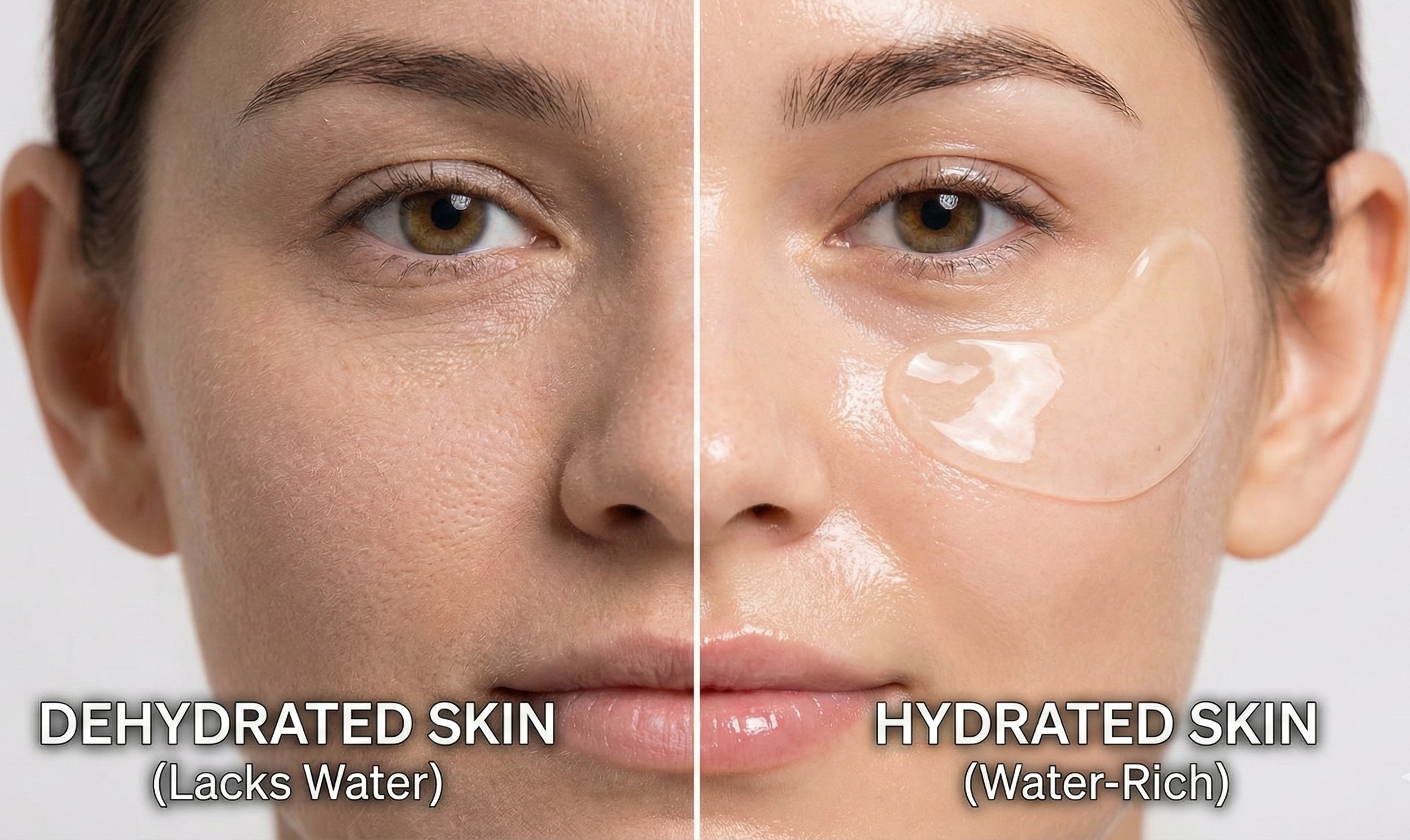
There is a massive difference. Dry skin lacks oil. Dehydrated skin lacks water. Treat one like the other, and you will only see breakouts and dullness.
At Meo Beauty, we believe in science-backed skincare. This guide will help you diagnose your skin correctly and choose the best hydrating face masks to restore that bounce and glow.
Is Your Skin Dry or Just Dehydrated? (The Critical Difference)
Before you buy another jar of cream, you need to identify the root cause. Using a heavy oil-based mask on dehydrated skin is like trying to put out a fire with a blanket—it might smother it, but it won’t fix the heat.
Dehydrated skin is a skin condition, not a skin type. This means even oily skin can be dehydrated. It happens when your Transepidermal Water Loss (TEWL) is high, meaning water evaporates from your skin faster than you can replace it.
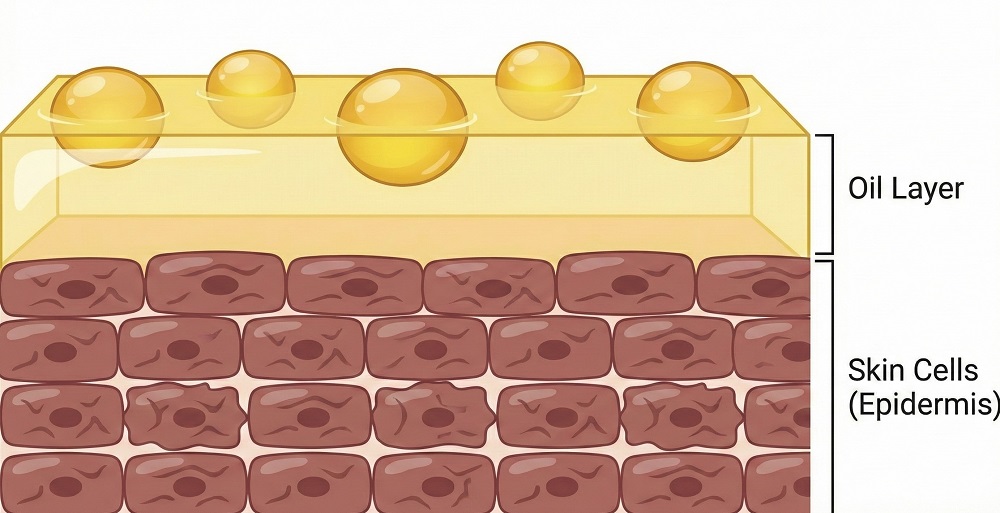
Dry skin is a genetic skin type. It produces less sebum (natural oil) than “normal” skin.
The Comparison: Dry vs. Dehydrated
| Feature | Dry Skin (Alipoid) | Dehydrated Skin |
| Deficiency | Lacks Oil (Lipids) | Lacks Water |
| Pores | Small, nearly invisible | Can be large or visible |
| Texture | Rough, flaky, scaly | Tight, “papery,” fine lines |
| Appearance | Dull, no shine | Dull but can be oily on top |
| Solution | Needs Moisturizers (Oils/Butters) | Needs Hydrators (Water-binders) |
If your skin feels tight but you still see oil in your T-zone, you are definitely dehydrated. You need water-based hydration, which is exactly what a high-quality hydrating mask provides.
The Science of Hydration: Ingredients That Actually Work
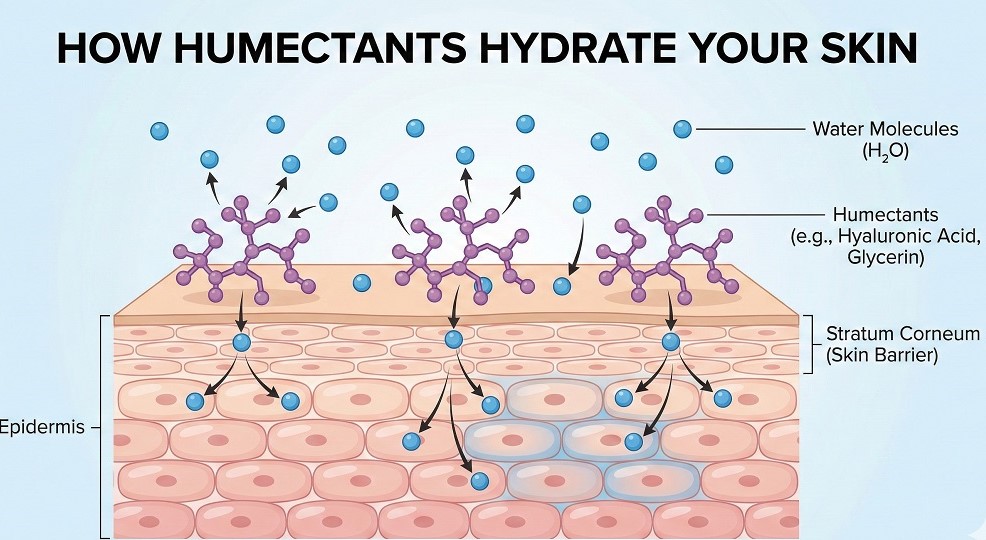
To fix dehydration, you need ingredients that act as Humectants.
Think of humectants as magnets. They grab water molecules from the air (or the product itself) and pull them into the surface layers of your skin. When shopping for a mask, look for these powerhouses on the label:
-
Hyaluronic Acid (Sodium Hyaluronate): The industry standard. It can hold up to 1,000 times its weight in water, instantly plumping fine lines.
-
Glycerin: Often overlooked, but incredibly effective. It mimics the skin’s natural moisturizing factor (NMF) and is less likely to cause irritation than complex acids.
-
Aloe Vera: A classic for a reason. It hydrates while calming inflammation, making it perfect for sensitive, thirsty skin.
-
Polyglutamic Acid: A newer superstar that holds 4x more moisture than Hyaluronic Acid.
Top Rated Hydrating Masks by Category (Editor’s Picks)
Not all masks are created equal. The “best” mask depends entirely on your lifestyle and your specific skin needs. Here is how we break it down at Meo Beauty.
1. Best Overnight Sleeping Masks (For Deep Repair)
If you wake up with skin that feels like sandpaper, you need a sleeping mask. These work during your skin’s regeneration cycle (which peaks between 11 PM and 4 AM).
Look for masks that combine hydration with a light occlusive to seal it in. Laneige Water Sleeping Mask is a prime example. It uses mineral water to hydrate and a light barrier technology to prevent that water from evaporating while you sleep.
2. Best Sheet Masks (For Instant “Glass Skin”)
Sheet masks are occlusive dressings. The sheet itself prevents evaporation, forcing the serum deeper into your pores.
These are perfect for event prep. Brands like Dr. Jart+ offer masks specifically designed to restore the skin barrier in 20 minutes. Pro-tip: Don’t let the mask dry out on your face. If it dries, it starts sucking moisture back out of your skin (reverse osmosis).
3. Best Wash-Off Gel Masks (For Oily/Combo Skin)
If you are prone to clogged pores, heavy creams are risky. Gel masks are your safety net.
They are typically oil-free and provide a cooling sensation that constricts capillaries (reducing redness). Summer Fridays Jet Lag Mask or simple aloe-based gels are excellent here. They quench the skin’s thirst without suffocating the pores.
How to Maximize Your Mask: The “Moisture Sandwich” Method
Owning the product is only half the battle. Application technique changes everything. To get the results you see on Instagram, try the “Moisture Sandwich”:
-
Cleanse: Remove all dirt and makeup.
-
Dampen: Mist your face with water or a toner. Never apply a hydrating mask to bone-dry skin. Humectants need water to grab onto; if your skin is dry, they might pull water from deep within your dermis instead, making you drier.
-
Mask: Apply your hydrating mask generously.
-
Seal (Optional): If you are using a wash-off mask, rinse it, then immediately apply a moisturizer to lock in that water.
Troubleshooting: Can Oily Skin Be Dehydrated?
Absolutely. In fact, it is common.
When oily skin lacks water, it panics. It sends a signal to your sebaceous glands: “We are drying out! produce more oil!”
The result is a greasy surface with tight, uncomfortable skin underneath. If you try to “dry out” your oily skin with harsh cleansers, you worsen the dehydration, leading to even more oil.
The fix is counter-intuitive: Add water. Using a lightweight hydrating mask can actually signal your skin to stop overproducing oil, balancing your complexion over time.
Frequently Asked Questions (FAQ)
How often should I use a hydrating face mask for dehydrated skin?
2 to 3 times per week.
Unlike exfoliating masks which can damage your barrier if overused, hydrating masks are gentle. If you are using a sleeping mask, you can often replace your night cream with it every evening until your hydration levels restore.
Can I use a hydrating mask if I have oily skin?
Yes, look for oil-free, gel-based formulas.
Oily skin often needs water (hydration), not oil. A water-based mask with Glycerin or Hyaluronic Acid will plump the skin without clogging pores. Avoid heavy shea butter or coconut oil bases.
Do I wash off a hydrating face mask?
It depends on the specific type.
-
Sheet Masks: No. Remove the sheet and pat the serum in.
-
Sleeping Masks: No. Leave on overnight.
-
Wash-Off/Gel Masks: Yes. Rinse after 10-20 minutes. Always read the package instructions.
What is the best ingredient for dehydrated skin masks?
Hyaluronic Acid and Glycerin.
These are humectants, meaning they bind water to the skin. For barrier repair, look for Ceramides or Vitamin B5 (Panthenol) paired with these humectants to keep the moisture locked in.
What is the difference between a moisturizing mask and a hydrating mask?
Hydrating masks add water; moisturizing masks add oil.
Dehydrated skin needs hydration (water) first. Dry skin needs moisturization (oil). If you are dehydrated, a moisturizing mask sits on top of the skin without fixing the underlying thirst.
Ready to find your perfect match? Explore more expert skincare reviews and routine guides at Meo Beauty.