Organic skin care products offer natural ingredient benefits but may lack preservative efficacy. Cost is often higher; availability might be limited compared to conventional products. “Pros And Cons of Organic Skin Care Products”
Organic skin care has surged in popularity, promising a gentler and more natural approach to beauty. The shift towards organic products stems from an increased awareness of health and environmental impacts. Consumers are seeking out options that don’t compromise their well-being or the planet.
This demand has led to a burgeoning industry that champions ingredients derived from natural sources, free from synthetic chemicals. These products often showcase eco-friendly packaging and ethical production methods, resonating with eco-conscious individuals. Despite the positives, the market for organic skin care faces challenges in standardization and regulation, leaving consumers to navigate the authenticity of claims on their own. Still, for those prioritizing a holistic lifestyle, organic skin care products present a viable alternative to traditional beauty regimens.
Credit: kirra-aus.com
Natural Appeal Of Organic Skin Care
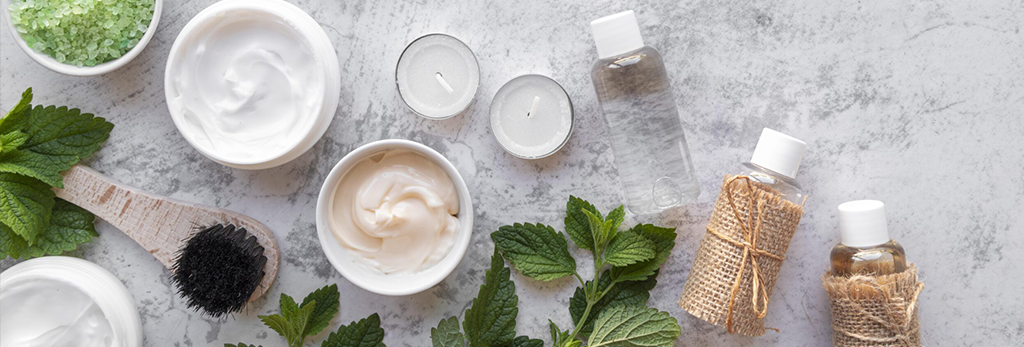
Organic skincare products flaunt their natural allure, derived from Earth’s pure sources. Delving into their benefits reveals nourishing ingredients, while exploring downsides exposes limitations in regulation and potency.
Natural Appeal Of Organic Skin Care
The buzz around organic skin care products is more than a trend; it taps into our desire to return to nature. Products proudly displaying the “organic” label promise purity and simplicity in a bottle, reminding us of a time when all things were untouched by synthetic chemicals. With skin being our largest organ, it’s no surprise consumers are drawn towards ingredients that are from the earth, often perceived as kinder and safer for our skin.
Rising Popularity Of Eco-friendly Products
The shift towards green living has skyrocketed the demand for eco-friendly products. Consumers now actively seek out items that offer environmental benefits, contributing to a healthier planet. Organic skin care fits perfectly into this category, enticing those looking to reduce their ecological footprint. Choosing these products often means supporting sustainable farming and production practices, aligning with the values of environmentally conscious buyers.
What Does ‘organic’ Really Mean?
“Organic” is a label that assures products contain ingredients grown without synthetic fertilizers or pesticides. It stands for a method of production that’s in harmony with nature. When we see the organic seal, we trust that the product inside aligns with strict standards. These standards are there to protect the integrity of the truly organic items we choose to bring into our homes and apply to our bodies.
| Requirement | Explanation |
|---|---|
| Farming Practices | No synthetic pesticides or fertilizers used. |
| Production | Must follow specific eco-friendly processes. |
| Standards Compliance | Must meet established guidelines for certification. |
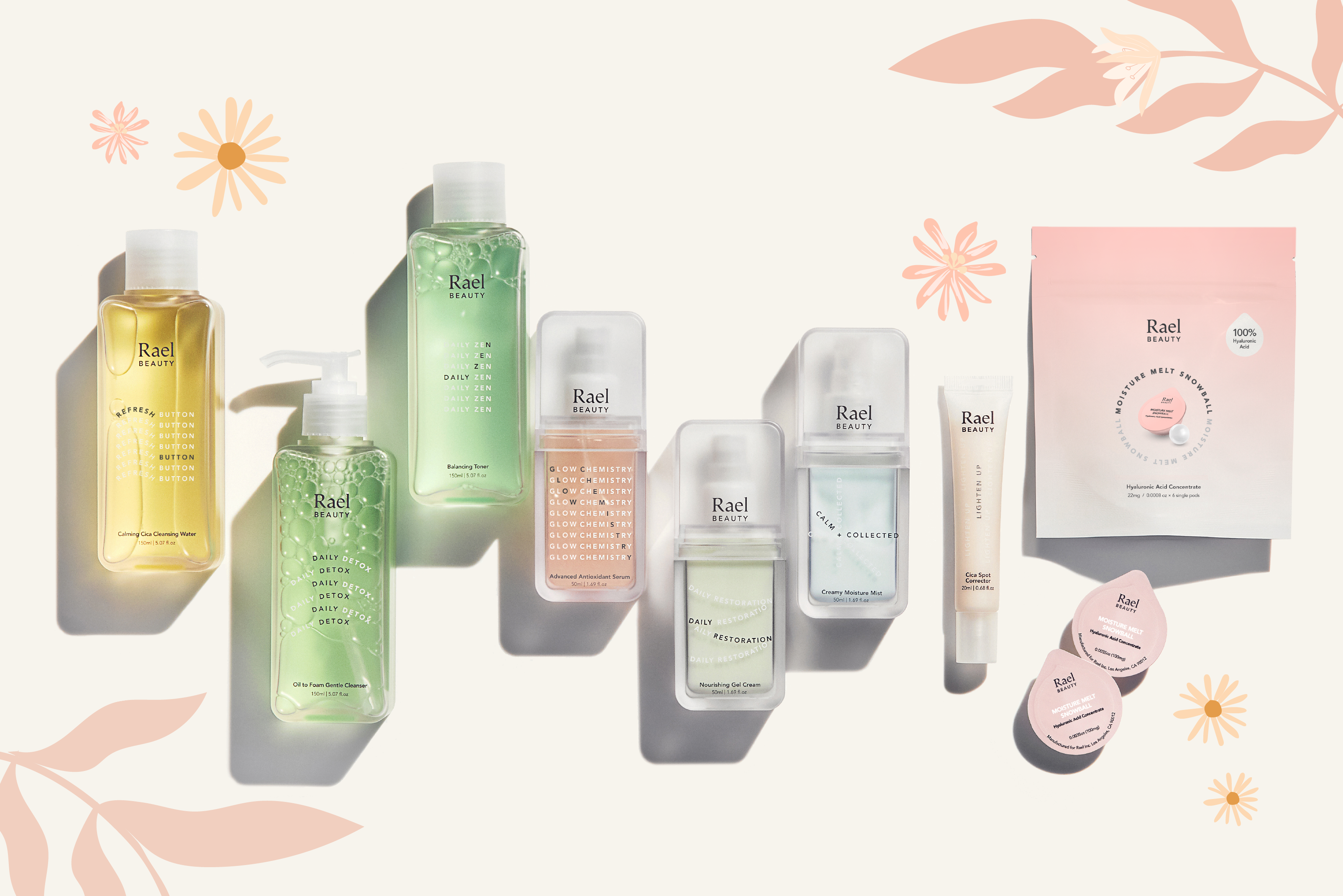
Credit: www.getrael.com
Benefits On The Skin Surface
Organic skin care products offer key advantages for your skin’s surface. Understand the benefits and make informed choices for a glowing complexion.
Gentler Over Time
Organic skin care solutions are kinder to your skin. Unlike harsh chemicals, these products promote gradual improvement without irritating.
- No sudden reactions: Skin tolerates natural substances better.
- Healthy aging: Natural ingredients support skin’s aging gracefully.
- Less redness: Fewer chemicals mean reduced inflammation.
Natural Fragrance And Ingredients
Organic products often smell wonderful naturally. They’re a treat for your senses.
| Component | Benefit |
|---|---|
| Essential Oils | Fresh scents that energize and calm |
| Plant Extracts | Soft fragrances from flowers and herbs |
Natural ingredients also mean no synthetic perfumes. These can irritate skin and cause discomfort. Pure and simple components lead to happy, healthy skin.
Environmental Impact
When we talk about the environmental impact of skin care products, the discussion extends beyond our skin. It impacts Earth’s health. Organic skin care products promise a greener planet. Let’s dig into this promise.
Biodegradable Ingredients
Organic skin care products often boast biodegradable ingredients. These substances break down naturally. They rejoin our ecosystem with ease. Thus, they reduce landfill waste. Also, they prevent harmful chemicals from entering our soil and water.
- Less pollution: These ingredients decompose without harming the environment.
- Reduction in plastic use: Organic products come in eco-friendly packaging.
Sustainable Farming Practices
The creation of organic products encourages sustainable farming. This type of farming protects the soil. It also conserves water. Biodiversity flourishes.
| Practice | Benefit |
|---|---|
| No Synthetic Pesticides | Keeps soil and water toxin-free |
| Crop Rotation: | Avert soil depletion; maintain soil health |
| Responsible Resource Management | Prevents overuse of natural resources |
Health Implications
The skin is our largest organ, and what we put on it matters. In the realm of skin care, organic products boast numerous benefits for our health. However, they also come with their share of drawbacks. Understanding these implications helps us make informed choices for our skin’s well-being.
Reduced Chemical Exposure
Going organic limits your skin’s exposure to harsh chemicals. Conventional skin care products often contain synthetic substances that may be absorbed into the bloodstream. These substances can pose health risks over time. Organic skin care options offer a safer alternative, using natural ingredients that the body more easily recognizes.
- Fewer Synthetic Additives: Organic products typically contain fewer pesticides, synthetic dyes, and preservatives.
- Skin Nourishment: Natural ingredients are rich in vitamins and antioxidants that nourish the skin.
- Environmental Respect: Organic skin care supports sustainable practices, contributing to overall planetary health.
Allergies And Sensitivities
Organic skincare products can be kinder on sensitive skin. Without aggressive chemicals, these products reduce the chance of skin irritation and allergic reactions. Even so, natural ingredients can still cause sensitivities for some. Patch testing remains essential to ensure compatibility with your skin.
| Organic Skin Care | Effect on Allergies & Sensitivities |
|---|---|
| Natural Ingredients | Less likely to cause skin irritation |
| Fragrances | Often derived from essential oils which may cause reactions for some |
| Preservatives | Less common, reducing sensitivity risks |
It is crucial to read labels and understand ingredient lists, whether you boast resilient skin or a more reactive type. Organic products can be a healthier choice for many, yet individual responses vary. Always choose products best aligned with your specific skin needs.
Considerations Before Purchase
Choosing the right organic skin care products involves more than just recognizing buzzwords like ‘natural’ or ‘organic.’ Your skin deserves the best care. To ensure you make smart choices, consider a few key factors before making a purchase.
Label Literacy: Understanding Certifications
Labels tell the story of your skin care products. It’s crucial to understand what certifications like USDA Organic, EcoCert, or Non-GMO mean. These badges of honor guarantee that products meet strict standards for organic ingredients and sustainable practices. Always check for legitimate certifications on labels to ensure product purity and ethical production.
- USDA Organic: Confirms 95% or more of ingredients are organic.
- EcoCert: Indicates environmentally friendly and socially responsible manufacturing.
- Non-GMO: Assures ingredients are not genetically modified.
Price Comparison And Budgeting
Organic products often come with heftier price tags due to their quality components and intricate production processes. Here’s a simple comparison to help decide if the investment aligns with your budget:
| Product Type | Conventional Price | Organic Price |
|---|---|---|
| Facial Cleanser | $5 – $15 | $10 – $30 |
| Moisturizer | $10 – $25 | $15 – $50 |
| Serum | $20 – $50 | $25 – $70 |
While organic choices might stretch your wallet, remember that investment in skin health could mean fewer products in the long run. Plan your budget to accommodate higher upfront costs for the benefits of cleaner and safer ingredients.
Potential Downsides
While organic skin care products boast numerous benefits, it’s crucial to acknowledge the flip side. Understanding these cons assists in making an informed choice suited to your lifestyle and skin needs.
Shelf Life and Preservation
Shelf Life And Preservation
Organic products often lack synthetic preservatives. This makes them more susceptible to bacteria and mold. Users need to heed expiration dates. Products might not last as long as their non-organic counterparts. Here’s what you should know:
- Shorter shelf life: May require frequent repurchasing.
- Storage: Requires cool, dry places away from sunlight.
- Batch sizes: Smaller is better to ensure freshness.
Varied Product Efficacy
Varied Product Efficacy
Performance can vary widely across different brands and even batches within the same brand. Natural ingredients might not always provide consistent results. Here’s what to consider:
- Skin reactions: Natural doesn’t always mean gentler.
- Active ingredient concentration: Fluctuates, affecting potency.
- Patch testing is crucial: Always test a product before full application.
Frequently Asked Questions On Pros And Cons Of Organic Skin Care Products
Are Organic Skincare Products Better For Your Skin?
Organic skincare products often contain natural ingredients that are gentler on the skin. Free from harsh chemicals, they are a good fit for sensitive skin types. Users typically find them less irritating and more nurturing for their skin’s health.
What Are The Drawbacks Of Organic Skincare?
The main drawbacks include a higher price point and shorter shelf life. Due to the lack of preservatives, organic skincare products don’t last as long as conventional ones, requiring more frequent purchases which can be less cost-effective.
Do Organic Skincare Products Offer Uv Protection?
Some organic skincare products contain ingredients with natural SPF properties, such as zinc oxide or titanium dioxide. However, they may provide lower SPF levels and need to be reapplied more often compared to conventional sunscreens.
Can Organic Skincare Cause Allergic Reactions?
Yes, even organic products can trigger allergies. Ingredients like essential oils or plant extracts can cause reactions in some individuals. It’s important to patch-test any new skincare product, organic or otherwise, before full application.
Conclusion
Navigating the realm of skincare is no simple task. The use of organic products offers benefits worth considering, like gentler formulas and eco-friendly practices. Yet, these advantages come with higher costs and potential effectiveness questions. By weighing these factors, you can make a choice that aligns with your personal values and skin care needs.
Choose wisely for a healthy complexion and a happier planet.